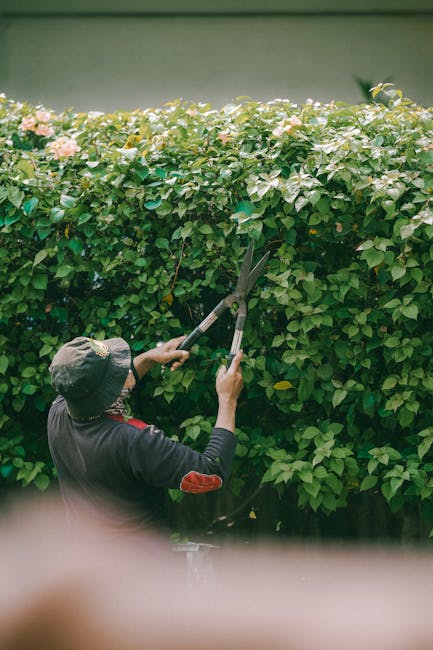
High Street Eltham garden maintenance common mistakes to avoid
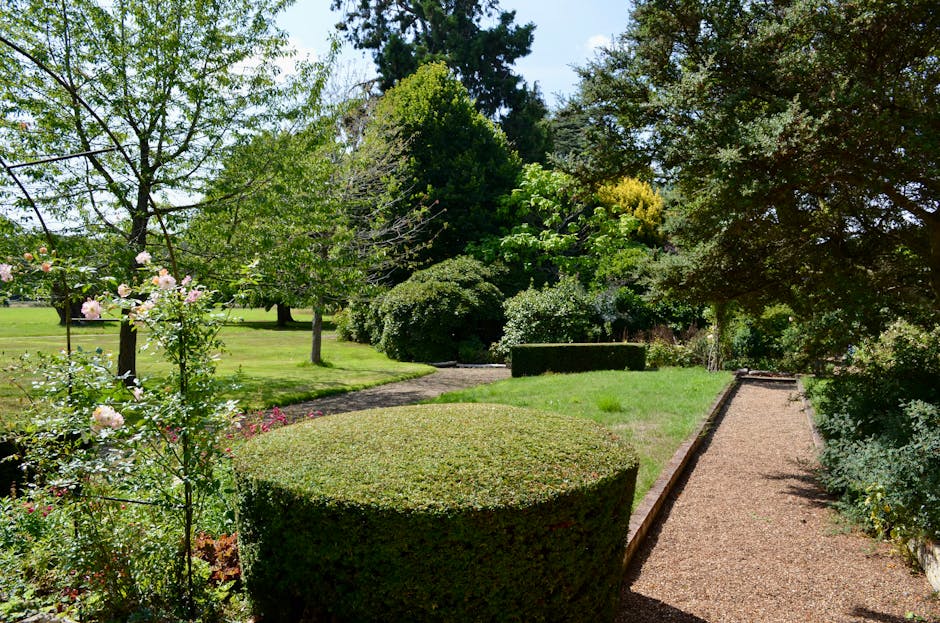
If your garden in High Street Eltham looks a bit tired, patchy, or simply never seems to stay on top of things, you are not alone. Garden upkeep can slip quickly when the lawn needs cutting, hedges are growing faster than expected, and weeds pop up after a wet week. The tricky part is that many of the most common garden problems are not caused by a lack of effort - they come from small mistakes that keep repeating. This guide on High Street Eltham garden maintenance common mistakes to avoid breaks down what usually goes wrong, why it matters, and how to put it right without overcomplicating the job.
We will cover practical steps, a simple checklist, useful tools, and the sorts of decisions that save time and money over the long run. If you are weighing up whether to tackle everything yourself or bring in help, you will also find a few sensible pointers to make that easier. Truth be told, a lot of garden maintenance becomes much simpler once you stop fighting the wrong problems.
- Why the common mistakes matter
- How good garden maintenance works
- Key benefits and practical advantages
- Who this is for and when it makes sense
- Step-by-step guidance
- Expert tips for better results
- Common mistakes to avoid
- Tools, resources and recommendations
- Law, compliance, standards, or best practice
- Options, methods, or comparison table
- Case study or real-world example
- Practical checklist
- Conclusion
- Frequently asked questions
Why High Street Eltham garden maintenance common mistakes to avoid Matters
Garden maintenance sounds straightforward until you see the knock-on effects of doing one thing at the wrong time, or doing it too aggressively. Cut a hedge back too hard and it can look bare for months. Leave a lawn to grow too long and the next mow becomes a struggle. Ignore soil health and every planting job gets harder. It all stacks up.
In a place like High Street Eltham, gardens often need a practical, mixed approach. Some plots are shaded by fences or buildings, some are exposed to wind, and many have compact spaces where every square metre matters. That means the usual one-size-fits-all advice can be a bit useless, to be fair. What works in a large rural garden may be clumsy in a smaller urban one.
The real reason these mistakes matter is that garden maintenance is cumulative. Small errors affect plant health, drainage, pest pressure, and how much work you will need next month. If you want a garden that feels easier to manage, not harder, getting the basics right makes a huge difference.
Expert summary: good maintenance is less about doing everything all the time and more about doing the right things in the right order. That is what prevents waste, stress, and the familiar Saturday morning feeling of "where on earth do I start?"
How High Street Eltham garden maintenance common mistakes to avoid Works
Good garden maintenance follows a simple rhythm: observe, prioritise, act, and review. That sounds basic, but it stops you rushing into jobs that create more work later.
First, you check what the garden actually needs. Is the issue a lawn that is too long, borders full of weeds, hedges that need shaping, or soil that dries out too fast? Then you decide what is urgent and what can wait. That distinction matters. A few weeds are not the same as a drain blocked by leaf litter after a storm.
Next, you carry out maintenance in a sequence that supports the garden rather than shocking it. For example, mowing before edging gives a cleaner result; clearing debris before feeding soil helps fertiliser reach the roots; and pruning with a clear purpose avoids random damage. Small thing, big difference.
Finally, you review what changed. If the lawn browned off after a heavy cut, or a border dried out because mulch was too thin, you adjust your method. That feedback loop is where better results come from.
For many homeowners, this also means knowing which tasks are best handled separately. lawn mowing, lawn care, and hedge trimming Eltham all overlap in spirit, but they are not the same job. Treating them as if they are can lead to uneven results.
Key Benefits and Practical Advantages
When you avoid the usual maintenance mistakes, the benefits show up in surprisingly ordinary ways. The garden just becomes easier to live with. Less fighting. Less patching. Less apologising to guests when they step outside and spot the chaos.
- Healthier plants: better timing, correct cutting, and proper feeding reduce stress on shrubs, lawns, and borders.
- Lower long-term effort: a maintained garden needs fewer rescue jobs than a neglected one.
- Improved appearance: tidy edges, balanced hedges, and cleaner hard surfaces make the whole space feel cared for.
- Better use of space: smaller gardens in particular benefit from neat structure and clear zoning.
- More predictable costs: preventing damage is almost always cheaper than fixing it later.
There is also the emotional side. A manageable garden feels welcoming. You notice the smell of cut grass, the sound of birds settling in after a prune, the satisfaction of seeing new growth where you expected mess. It sounds small, but it does matter.
If you like working with a lighter maintenance style, the article on low-maintenance garden ideas is a useful companion read, especially if your goal is to reduce weekly effort rather than keep adding more tasks.
Who This Is For and When It Makes Sense
This topic matters to a fairly wide group of people. If any of the following sounds familiar, you are in the right place:
- you own a home with a small or mid-sized garden and want it to stay tidy without constant effort
- you have inherited a garden that needs regular attention but not a full redesign
- you are trying to keep hedges, lawns, and borders under control through the seasons
- you manage a property where presentation matters, such as a rental or family home
- you want to avoid mistakes that make future maintenance more expensive
It also makes sense if you have started doing your own gardening and realised that the obvious jobs are not always the right jobs. A quick mow after heavy rain, for example, can leave ruts. Pruning at the wrong time can reduce flowering. Clearing a bed without checking for self-seeded plants can remove more than you meant to. Happens all the time.
For neglected plots or gardens that have drifted past simple upkeep, revamping a neglected garden is a practical next step, because a tidy-up and routine maintenance are not quite the same thing.
Step-by-Step Guidance
Here is a sensible way to approach garden maintenance without falling into the common traps.
- Start with a survey. Walk the whole space and note what is urgent: weeds, damaged branches, overgrown edges, clogged drains, patchy grass, or compacted soil.
- Clear the obvious clutter first. Dead leaves, broken pots, fallen twigs, and general debris make it harder to judge the real condition of the garden.
- Prioritise safety and access. Check for slippery paths, awkward steps, unstable fencing, and any overhanging branches that need attention.
- Work from the top down. Tackle hedges, shrubs, and trees before the lawn and borders so cuttings do not land on freshly finished areas.
- Deal with the soil. Weed, aerate if needed, and add compost or mulch where the ground looks tired or exposed.
- Finish with detail work. Edge the lawn, tidy the patio, and check the visual lines from the house or seating area.
That order saves time. It also reduces that frustrating feeling of doing three jobs and somehow making the garden look messier. Which is, let's face it, a bit soul-destroying.
If you are building a low-fuss maintenance routine, the advice in these beginner gardening tips can help you keep the whole process simple and realistic.
A useful monthly rhythm
Not every task belongs in every week. A decent monthly cycle might include one structural tidy, one deeper weed-and-feed session, one hedge or shrub check, and one look at hard surfaces and drainage. In wetter months, leaf clearance matters more. In summer, watering patterns and mowing frequency become more important. Seasonal adjustment is not fancy. It is just sensible.
Expert Tips for Better Results
Most strong garden results come from restraint, timing, and consistency rather than heroics.
- Cut less, more often. This is especially true for lawns and light hedge shaping. Smaller trims are easier on the plant and on you.
- Match the tool to the job. A hedge trimmer, secateurs, and lawn mower all solve different problems. Using the wrong one makes a neat finish harder to achieve.
- Watch the weather. Wet soil compacts easily, and hot spells can stress freshly cut plants. Choose the right day where possible.
- Feed the soil, not just the plant. Compost and mulch improve structure and moisture retention, which saves work later.
- Use repetition where it helps. A weekly five-minute check prevents bigger issues. Small, boring habits do a lot of good. Not glamorous, but effective.
For a calmer, more resilient planting scheme, the piece on ground cover plants is useful because ground cover helps suppress weeds and reduce exposed soil, both of which make maintenance easier.
If shade is part of the challenge, especially in tighter gardens, the guide to evergreen climbers for darker spots may give you practical planting ideas that reduce bare, awkward corners.
One small but important tip: keep a note of what you did and when. It can be as simple as a notebook or phone memo. Sounds nerdy, perhaps. It saves confusion later when you are wondering whether the hedge was trimmed three weeks ago or six.
Common Mistakes to Avoid
This is the section that tends to save people the most trouble. The mistakes below are common because they feel logical in the moment. Unfortunately, gardens do not always reward logic without context.
1. Mowing the lawn too short
Cutting grass too low can weaken it, especially during dry weather. It exposes the soil, encourages stress, and can leave the lawn looking thin and uneven. A slightly longer cut is usually safer unless the grass is genuinely overgrown.
2. Pruning hedges at the wrong time
Hard pruning during nesting season, or cutting flowering shrubs without checking their growth cycle, can reduce blooms and disturb wildlife. If you are unsure, a lighter trim is often the safer option until you know the plant's pattern.
3. Ignoring the soil
Many people focus on what they can see and forget the ground beneath it. Compacted, tired soil makes watering less effective and encourages weak growth. If a bed keeps failing, the answer may be below the surface rather than in the plant choice.
4. Using too much water, too often
Frequent shallow watering trains roots to stay near the surface. In a warm or windy spell, that does not help much. Deep, less frequent watering is usually better for established plants, assuming drainage is reasonable.
5. Letting weeds become a seasonal surprise
Weeds are far easier to deal with when small. Leave them for a month and they turn into a bigger job, plus they compete for light and moisture. A quick weekly check is boring but effective. Boring can be good.
6. Pruning without a plan
Random cutting makes shrubs lopsided and can remove healthy growth. Before you start, decide whether you are shaping, reducing, or removing. Those are different jobs.
7. Forgetting paths, patios, and decking
Garden maintenance is not just plants. Slippery algae, moss, and debris on hard surfaces create safety issues and make the whole space look neglected. A clean edge around a patio can transform the feel of the garden far more than people expect.
8. Overfeeding or feeding at the wrong time
More fertiliser does not automatically mean better growth. Too much can scorch roots or push soft growth that is vulnerable to weather. Read the plant need, not your impatience.
9. Leaving overgrown trees or branches alone
Large branches, deadwood, and awkward overhangs are not jobs to delay indefinitely. They can shade too much, drop debris, or become a safety concern. If the tree work is beyond routine maintenance, a specialist approach is often the sensible one.
10. Treating every part of the garden the same
Sunny borders, shaded corners, lawns, hedges, and paved areas all need different care. A routine that suits one area may damage another. This is where a bit of judgement really pays off.
Tools, Resources and Recommendations
You do not need a shed full of gear to keep a garden in good shape, but a few dependable tools make a real difference.
| Task | Useful tool | Why it helps |
|---|---|---|
| Lawn upkeep | Quality lawn mower and edging tool | Gives a cleaner cut and avoids ragged borders |
| Hedge shaping | Hedge trimmer or sharp hand shears | Improves control and reduces tearing |
| Weed removal | Hand trowel and weeding fork | Helps remove roots rather than snapping tops off |
| Soil care | Compost, mulch, and a fork for aeration | Improves moisture retention and structure |
| Cleaning hard surfaces | Stiff brush and suitable patio cleaner | Reduces moss, grime, and slip risk |
If your garden includes seating, shaded corners, or mixed-use spaces, the ideas in designing garden seating can help you make the area practical as well as neat. For family gardens, learning-and-play garden ideas are useful when maintenance has to support both adults and children.
If you are not sure which service category fits the work, it can help to compare the broader options on gardening services, garden maintenance, and landscaping. That way you are not paying for the wrong level of help.
Law, Compliance, Standards, or Best Practice
For garden maintenance in the UK, it is wise to keep a few practical rules in mind. This is not about turning gardening into bureaucracy; it is about staying safe and avoiding avoidable problems.
First, be careful with nesting birds and wildlife. If you are trimming hedges or cutting back dense growth, it is sensible to check for active nests before major work. That is a normal part of responsible garden care.
Second, use tools safely and store them properly. Good practice includes wearing appropriate gloves, eye protection when needed, and footwear that will not slip on damp paving. A wet spring morning can be deceptively hazardous.
Third, if you are dealing with large branches, unstable trees, or work at height, it is generally better to treat that as specialist territory. This is where tree surgery becomes relevant, especially if branches are overhanging roofs, fences, or public-facing areas.
Fourth, if your maintenance work creates waste, think about disposal in a way that is sensible and tidy. Green waste, prunings, and old materials should be handled with care. In practice, that often means planning the clear-up before you start, not after the heap is already bigger than expected.
Finally, if you are asking a contractor to do the work, it helps to check insurance and safety arrangements, payment terms, and service expectations before anything starts. The pages on insurance and safety, payment and security, and terms and conditions are worth reviewing so there are no awkward surprises.
Options, Methods, or Comparison Table
Different maintenance approaches suit different gardens. Here is a simple comparison that may help you decide what is realistic.
| Method | Best for | Pros | Watch out for |
|---|---|---|---|
| DIY routine upkeep | Small, manageable gardens | Flexible, cost-conscious, hands-on | Easy to miss timing mistakes or safety issues |
| Targeted seasonal help | Gardens that are mostly under control | Good for hedge trims, lawn work, or a big tidy-up | Can become reactive if left too long between visits |
| Full garden maintenance support | Busy households or overgrown spaces | Consistent results and less stress | Needs clear communication about priorities |
| Project-led landscaping | Gardens needing structural change | Can transform layout, drainage, and usability | Not a substitute for routine aftercare |
For people dealing with a tired or uneven space, the route usually starts with a proper tidy-up and then moves into a lighter maintenance rhythm. If privacy or screening is part of the plan, the guide to fast-growing hedges for privacy may be helpful, though hedges need the right trimming pattern to stay healthy.
Case Study or Real-World Example
A very typical High Street Eltham scenario goes like this: a homeowner has a modest front garden and a larger back garden with lawn, borders, and a hedge line. The front looks fine from a distance, but close up it is full of small issues - moss on paving, edges that have drifted, and a hedge that has been trimmed unevenly for a few seasons. The back garden has the opposite problem. The lawn is cut, but the soil is hard, weeds keep returning, and one shady border never seems to settle.
What changed? Not a full redesign. Just better sequencing.
They started by clearing the hard surfaces, then addressed the hedge properly rather than nibbling it every time it looked a bit long. After that, the lawn was cut at a more sensible height, the soil was mulched, and the shady border was planted with more suitable ground cover. The result was not flashy. It was better: less time spent firefighting, more time enjoying the space, and far fewer little jobs piling up each week.
That kind of improvement is often what people actually want. Not a magazine garden. Just a garden that stops demanding constant rescue.
If you are moving from neglected to manageable, the article on revamping a neglected garden gives a practical starting point, and it pairs well with routine maintenance once the big issues are under control.
Practical Checklist
Use this checklist before and during your next maintenance session.
- Check the lawn height before mowing
- Look for weeds in borders, paths, and gravel areas
- Inspect hedges for uneven growth or signs of stress
- Remove dead leaves, fallen fruit, and twigs
- Clear moss or grime from patios and paving
- Test whether soil is compacted or dry in deeper layers
- Water in a way that suits the weather, not just the calendar
- Confirm there are no nesting birds or wildlife concerns before cutting back heavily
- Sharpen or clean tools before using them
- Finish by stepping back and checking how the whole garden looks
Quick reminder: if a job feels bigger than routine upkeep - especially with trees, fencing, or structural changes - it is often worth pausing rather than pushing through and making a mess of it.
If your garden also includes perimeter work or access issues, you may want to look at fencing and patio cleaning as part of the same maintenance plan. Those details affect the overall feel more than people expect.
Get a free quote today and see how much you can save.
Conclusion
The biggest lesson in High Street Eltham garden maintenance is simple: most garden problems become more expensive and frustrating when they are left to grow. A rushed mow, an overcut hedge, neglected soil, or a slippery patio might seem minor on their own, but together they create the kind of garden that always feels one step behind.
Once you focus on the common mistakes to avoid, maintenance becomes clearer. You stop guessing. You start noticing patterns. And the garden begins to respond in a much more cooperative way. Not perfect, just better. Honestly, that is usually enough.
If you want practical help from people who understand how local gardens behave through the year, you can learn more about the team on about us or take the next step through the contact page. Sometimes the smartest maintenance decision is simply getting the right support at the right time.
And when a garden starts working with you instead of against you, everything feels lighter. Even on a damp London morning.
Frequently Asked Questions
What are the most common garden maintenance mistakes in High Street Eltham?
The biggest mistakes are mowing too short, pruning at the wrong time, ignoring soil health, overwatering, and letting weeds build up. Hard surfaces are often forgotten too, which makes the garden look less cared for and can create slip risks.
How often should I mow my lawn?
It depends on the season, weather, and grass growth. In active growing periods you may need to mow more often, but it is usually better to cut little and often than to let it get wildly long and then scalp it back.
Is hedge trimming something I can do myself?
Yes, for smaller hedges or light shaping. But if the hedge is tall, uneven, near boundaries, or likely to involve safety risks, it is wiser to treat it as a more specialist job. Timing matters as much as the cut itself.
Why does my garden keep looking untidy even after I clean it?
That usually means the underlying rhythm is off. For example, the weeds are returning because the soil is exposed, or the hedge is being trimmed irregularly, or the patio is not getting enough maintenance. The surface tidy-up is only part of the picture.
What should I do before starting a big maintenance session?
Walk the space first, identify urgent tasks, clear debris, and make sure you have the right tools. Starting without a plan often leads to backtracking and extra mess.
Do I need professional help for routine garden maintenance?
Not always. Many smaller gardens can be maintained well by the owner. But if you are short on time, dealing with overgrowth, or unsure about pruning, lawn care, or safety issues, getting help can actually save money in the long run.
How can I reduce weeds without constant spraying?
Mulching, ground cover planting, regular hand weeding, and keeping soil covered are all sensible methods. A well-kept border is far less attractive to weeds than bare, compacted ground.
When should I worry about a tree or large branch?
If branches are overhanging roofs, leaning awkwardly, dead, or dropping a lot of debris, it is worth taking seriously. Large or unstable work is not something to leave indefinitely, especially in exposed or built-up gardens.
What is the best way to keep a small garden manageable?
Keep the structure simple, use plants that suit the light and soil, and avoid overfilling the space. Small gardens need discipline more than decoration. That sounds harsh, but it works.
How do I know whether I need maintenance or landscaping?
Maintenance is for keeping a garden healthy and tidy. Landscaping is for changing the layout, features, or structure. If the garden mostly works but needs upkeep, maintenance is enough. If the space itself is the problem, landscaping may be the better route.
Are patios and decking part of garden maintenance?
They should be, yes. Algae, moss, dirt, and debris affect both appearance and safety. A clean patio or deck can make the whole garden feel more welcoming, even if the planting is fairly simple.
What is the safest way to improve a neglected garden?
Start with the most visible hazards and the most overgrown areas, then work down to soil and planting. Avoid trying to do everything in one go. A staged approach is safer, less exhausting, and usually produces a better result.