
 020 3744 3778
Elevate Your Cooking with a Personal Herb Garden
Posted on 21/09/2025
Elevate Your Cooking with a Personal Herb Garden
Imagine stepping into your kitchen, picking fresh basil from your countertop garden, and infusing your homemade pasta with a flavor no supermarket herb can match. Cultivating a personal herb garden doesn't just enhance your cooking; it transforms your culinary experience, brings freshness to every meal, and redefines your relationship with food.
Why a Personal Herb Garden Is a Game-Changer for Home Cooks
There are countless benefits to growing your own culinary herb garden, right at home. From boosting the flavor of each dish to adding beauty and aroma to your living space, a home herb garden is an accessible and rewarding venture for both novice and experienced cooks.
Unmatched Freshness and Flavor
- Flavors at Their Peak: Freshly harvested herbs such as rosemary, cilantro, and mint possess vibrant flavors and essential oils that quickly diminish after processing and transportation. Using herbs moments after picking delivers an aromatic punch nothing store-bought can offer.
- Custom Picks for Every Dish: Personalize your garden with your favorite herbs, from classic basil and thyme to exotic lemongrass or shiso, giving you instant access to just what your recipes need.
Cost-Effective and Sustainable
- Save Money: Growing your own herbs is markedly cheaper in the long run compared to buying fresh bunches at the market weekly.
- Reduce Waste: No more wilted, unused herbs going to waste in your fridge! Harvest only as much as you need, when you need it.
- Sustainable Living: Home gardening reduces packaging, transportation emissions, and your overall carbon footprint.
Health and Wellness Benefits
- Chemical-Free: Control your growing environment and avoid harmful pesticides and herbicides found in some commercial produce.
- Nutrition Boost: Fresh herbs are loaded with vitamins, antioxidants, and anti-inflammatory compounds, contributing to a healthier diet.
- Mental Wellness: Gardening is proven to reduce stress and boost mood--nurturing your personal herb patch can be as calming as it is practical.
Choosing the Best Herbs for Your Kitchen
Your personal herb garden can be as simple or as varied as you wish. Select herbs that match your cooking style, climate, and available space. Below are some popular options to consider for your culinary project:
Classic Culinary Herbs
- Basil: Ideal for Italian and Mediterranean dishes, pestos, and fresh salads.
- Parsley: Highly versatile for garnishing, sauces, and soups (choose curly or flat-leaf varieties).
- Thyme: Perfect for roasts, stews, and marinades; retains flavor even after drying.
- Rosemary: Adds a woody, pine-like aroma to meats and roasted vegetables.
- Oregano: Essential for pizza, pasta sauce, and Greek cuisine.
- Mint: Refreshing in desserts, drinks, and Middle Eastern recipes.
- Cilantro: A must-have for Mexican, Indian, and Asian dishes.
- Chives: Delicate, onion-like flavor for potatoes, omelets, and dips.
Unique and Exotic Herbs
- Lemongrass: An essential ingredient for Thai and Vietnamese soups and curries.
- Shiso (Perilla): A bold, aromatic herb used in Japanese cuisine.
- Tarragon: French favorite for creamy sauces, chicken, and fish.
Starting Your Own Herb Garden: Indoor vs. Outdoor
Whether you have a sprawling backyard or a tiny apartment, you can cultivate fresh herbs at home. The choice between an indoor or outdoor garden depends largely on your environment, space, and available sunlight.
Indoor Herb Gardens
- Convenience: Grow herbs right on your windowsill or countertop for easy access while cooking.
- Climate Control: Indoor gardens aren't affected by seasonal changes, frost, or pests to the same extent as outdoor gardens.
- Year-Round Harvests: With sufficient light, enjoy fresh herbs anytime, regardless of the weather outside.
- Ideal Herbs for Indoors: Basil, parsley, chives, cilantro, thyme, and mint all do well inside with 4-6 hours of sunlight daily.
Outdoor Herb Gardens
- Space to Grow: Utilize garden beds, raised planters, or even balconies for a larger variety and quantity of herbs.
- Sun Exposure: Outdoor gardens receive more natural sunlight, which most herbs crave (6-8 hours/day is optimal).
- Beneficial Insects: Outdoor herbs attract pollinators--like bees and butterflies--essential for healthy gardens.
- Top Herbs for Outdoors: Rosemary, oregano, sage, lavender, and lemon balm thrive best with ample space and sunshine.
Planting and Caring for Your Herb Garden
Once you've selected your herbs and garden site, it's time to plant. Here's a brief guide to get you started and keep your personal herb garden thriving:
Soil and Containers
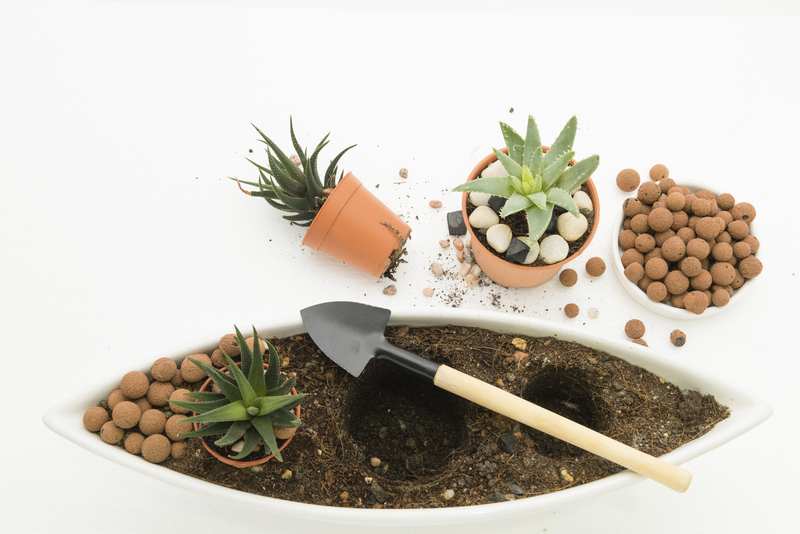
- Well-Draining Soil: Herbs generally prefer loose, well-draining soil. Use high-quality potting mix for containers and enrich beds with compost.
- Container Size: Small herbs (chives, parsley) do well in compact pots, while larger herbs (rosemary, mint) require medium to large containers.
- Drainage Holes: Ensure all pots have drainage holes to avoid waterlogged roots.
Light Requirements
- Sunniest Windows: South or southwest-facing windows are ideal for indoor gardens. Supplemental LED grow lights can help encourage growth if natural light is insufficient.
- Rotate Regularly: Turn your pots or trays regularly so all sides get equal exposure to sunlight.
Watering and Feeding
- Water Wisely: Most herbs prefer the soil to dry slightly between waterings. Overwatering is the most common mistake--water when the top inch of soil feels dry.
- Feed Moderately: Use organic liquid fertilizer every 4-6 weeks during the growing season to keep plants healthy and productive.
Pruning and Harvesting
- Harvest Regularly: Pinch off leaves or stems as needed--regular harvesting encourages fuller, bushier growth and prevents flowering, which can reduce leaf flavor.
- Avoid Over-Harvesting: Never remove more than one-third of a plant at a time to allow it to recover and thrive.
Creative Ways to Incorporate Fresh Herbs into Your Cooking
With a lush, thriving kitchen herb garden, you'll never run out of ways to enhance your meals. Here's how you can let those homegrown herbs shine at the dining table:
Infuse Oils and Vinegars
- Combine fresh sprigs of rosemary or thyme with olive oil for drizzling over vegetables or bread.
- Create custom-infused vinegars with tarragon, basil, or chives--perfect for homemade salad dressings.
Herb-Forward Sauces and Condiments
- Whip up classic pesto with basil and pine nuts, or try a mint-cilantro chutney for grilled meats and curries.
- Stir fresh parsley, dill, or chives into sour cream, yogurt, or mayonnaise for quick and flavorful dips.
Elevate Everyday Dishes
- Scatter torn basil or oregano over pizza and pasta just before serving.
- Add chopped fresh herbs to scrambled eggs, omelets, or roasted potatoes for an instant flavor boost.
- Garnish soups, stews, and salads with a shower of fragrant herbs to finish with freshness and color.
Troubleshooting Common Herb Garden Challenges
Keeping your herb garden for cooking healthy isn't difficult, but watch for these common issues:
- Leggy Growth: Insufficient light leads to tall, spindly plants. Move your herbs to a sunnier spot or add a grow light.
- Yellowing Leaves: This often signals overwatering or poor drainage. Check your soil and ease up on watering.
- Pests: Watch for aphids or spider mites, particularly on indoor herbs. Spray with a mild soap solution or rinse with water.
- Bolting (Flowering): Warm temperatures may cause herbs like cilantro or basil to flower prematurely. Harvest often and provide some afternoon shade if possible.
Seasonal Tips for Your Herb Garden
Autumn and Winter
- Bring potted herbs indoors before the first frost to extend their life.
- Switch to artificial lighting as daylight hours decrease.
- Reduce watering and fertilizer as growth slows.
Spring and Summer
- Harden off seedlings before moving outside in the spring.
- Mulch around outdoor herbs to retain moisture and suppress weeds.
- Prune aggressively to prevent herbs from going to seed.
Preserving Your Herbs for Year-Round Cooking
Sometimes your personal kitchen herb garden will produce more than you can use. Preserve your bounty to keep enjoying homegrown flavor even after your plants slow down:
- Drying: Hang bunches upside down in a dry, airy place away from direct sunlight. Once crisp, store in airtight containers.
- Freezing: Chop fresh herbs and pack into ice cube trays with water or olive oil. Freeze, then transfer cubes to bags and use as needed.
- Herb Butters: Blend softened butter with finely chopped herbs. Freeze in logs and slice off what you need for bread, steaks, or vegetables.
Personal Herb Garden Designs and Inspirations
You can get creative with your kitchen herb garden design. Here are some inspiring ideas:
Vertical Wall Gardens
- Use hanging pockets or wall-mounted planters to grow herbs even in small spaces.
Windowsill Herb Trays
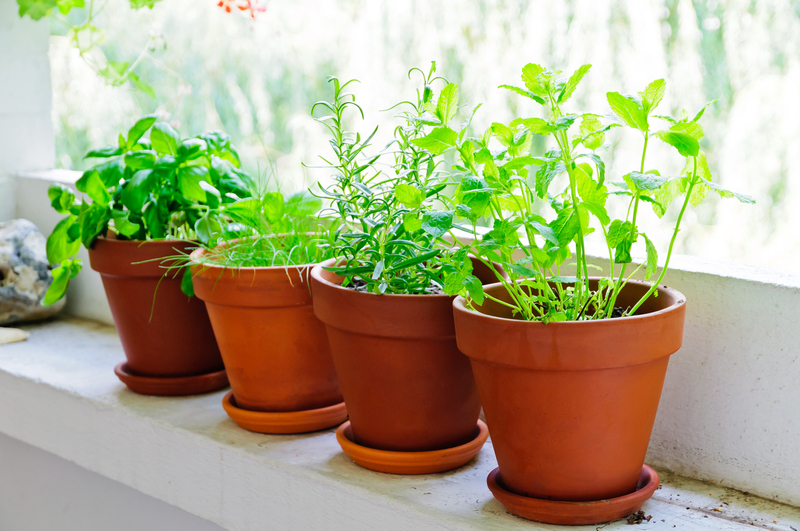
- Arrange several small pots or a long rectangular trough beneath a sunny window for a minimalist, convenient herb display.
Herb Spiral
- Build a spiral-shaped raised bed in your yard to maximize space and visual interest, creating microclimates for different herbs.
Conclusion: The Joy of Cooking with a Personal Herb Garden
Enhancing your home cooking with a personal herb garden isn't just about better taste--it's about connecting to your food, nurturing your creativity, and fostering a more sustainable way of living. Whether you're a casual home chef or a passionate gourmand, cultivating your own cooks' herb garden will revolutionize your approach to fresh flavors and culinary inspiration. Start small or dream big--the path from seed to table is a journey worth savoring, one delicious dish at a time.
Ready to elevate your cooking? Try growing your own personal herb garden today and experience the taste of true freshness in every bite!
Latest Posts
Bold Shapes with Advanced Hedge Techniques
Elevate Your Cooking with a Personal Herb Garden
Creating a Natural Playground Garden for Kids
