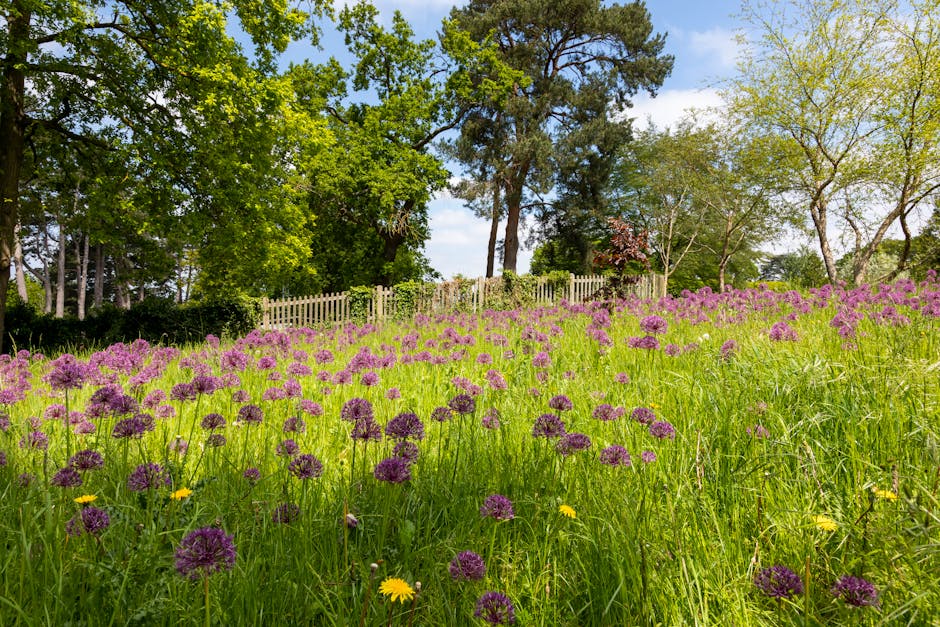
Avery Hill Park gardeners advice for large private gardens
If you care for a large private garden in or around Avery Hill Park, you already know the difference between a nice outdoor space and a space that quietly runs your weekends. One minute it is an elegant lawn, a hedge line, a border full of promise. The next, weeds, pruning, leaf fall, awkward access, and patchy lawn areas start stacking up. That is exactly where Avery Hill Park gardeners advice for large private gardens becomes useful: not as a luxury, but as a practical way to keep a big garden healthy, tidy, and actually enjoyable to live with.
This guide brings together the kind of advice that matters in real life: how to plan work on a larger plot, what to prioritise first, where people usually waste money, and which tasks are best handled by a professional team rather than by guesswork and grit. Let's face it, a big garden can be glorious, but it can also get out of hand very quickly if you do not have a system.
Whether your garden is formal, family-friendly, wildlife-led, or a bit of everything, the aim is the same: create structure, reduce maintenance pressure, and make every part of the space earn its keep.
Table of Contents
- Why Avery Hill Park gardeners advice for large private gardens Matters
- How Avery Hill Park gardeners advice for large private gardens Works
- Key Benefits and Practical Advantages
- Who This Is For and When It Makes Sense
- Step-by-Step Guidance
- Expert Tips for Better Results
- Common Mistakes to Avoid
- Tools, Resources and Recommendations
- Law, Compliance, Standards, or Best Practice
- Options, Methods, or Comparison Table
- Case Study or Real-World Example
- Practical Checklist
- Conclusion
- Frequently Asked Questions
Why Avery Hill Park gardeners advice for large private gardens Matters
Large private gardens do not fail because of one dramatic mistake. They usually drift. A hedge gets too tall, a border loses definition, the lawn gets compacted, the shaded side turns thin, and suddenly the whole plot feels harder to manage than it should. Advice tailored to larger gardens matters because the scale changes everything: timing, labour, access, waste removal, seasonal rhythm, and even what plants make sense.
In a small garden, you can sometimes "catch up" with a weekend and a decent pair of secateurs. In a big one, you need priorities. Which parts drive the visual impact? Which areas are high-use? Which spaces are costly to ignore? That is the kind of judgement experienced gardeners bring. They see the garden as a working system, not just a collection of beds and lawn.
There is also the matter of consistency. A large private garden often sits within a family routine, entertaining schedule, or property management plan. If the garden supports children, dogs, guests, or simply a more polished home presentation, then ongoing care matters just as much as planting choices. You do not want a design that looks lovely in May and becomes a burden by August.
Good advice also saves money over time. Not every problem should be solved with a bigger planting bill. Sometimes the smarter move is better soil structure, a more realistic mowing plan, or a hedge shape that is easier to maintain. Small changes, repeated well, make a massive difference.
Expert summary: On large plots, the goal is not perfection every day. The goal is control, rhythm, and sensible maintenance that keeps the whole garden working together rather than fighting for attention.
How Avery Hill Park gardeners advice for large private gardens Works
The best way to manage a large private garden is to work from the ground up: assessment, structure, maintenance zones, seasonal tasks, and only then finer detail. A professional gardener will normally begin by understanding the layout, the amount of time available for care, and how the garden is actually used. That first conversation matters more than many people think.
Here is how the process usually works in practice:
- Walk the whole space. Identify sun, shade, damp spots, wind exposure, access points, and areas that are visually dominant.
- Set priorities. Decide which elements matter most: lawn, hedges, privacy, entertaining space, planting structure, or play areas.
- Break the garden into zones. Large gardens are easier to maintain when treated as linked sections rather than one giant task list.
- Build a seasonal schedule. Pruning, mowing, feeding, clearing, and planting should follow the calendar, not moods or emergencies.
- Use the right methods for each area. For example, a broad lawn needs a different routine from a shaded border or a hedge boundary.
- Review and adjust. If one area is taking too much effort, simplify it. If another is underused, improve access or visual pull.
That sounds straightforward, and mostly it is. But the useful bit is the sequencing. Big gardens become manageable when the work is layered properly. You do not start with decorative extras if the hedge line is swallowing the light. You do not add more lawn interest if the soil underneath is tired and patchy.
For example, if a garden feels messy and overgrown, it may help to begin with a reset using the thinking behind revamping a neglected garden, then move into long-term maintenance once the bones of the space are visible again.
Key Benefits and Practical Advantages
With a large private garden, the benefits of informed advice are not just aesthetic. They are practical, financial, and honestly a bit emotional too. A well-run garden feels calmer to live with. You step outside and everything looks intentional rather than half-finished.
- Better time management: Tasks are grouped sensibly, so the garden stops consuming random evenings and entire Saturdays.
- Reduced long-term costs: Correct pruning, soil care, and realistic planting reduce replacements and avoidable repairs.
- Stronger privacy: Hedges, climbers, and layered planting can make a large plot feel sheltered and private.
- Improved safety and access: Clear paths, good visibility, and maintained trees reduce everyday hazards.
- Healthier planting: Beds, lawns, and shrubs perform better when they are matched to the site conditions.
- More usable outdoor space: Seating, play areas, shaded corners, and lawn zones can all coexist if the layout is planned properly.
There is another advantage people sometimes overlook: confidence. Once the garden has structure, you stop fearing it. You know what needs doing and when. That alone changes how you use the space. A late summer evening feels different when the borders are under control and the lawn is trimmed neatly, even if the rosemary is doing its own thing at the back.
If privacy and screening are key goals, it can help to think about layered boundaries and faster-establishing plants, like the ideas discussed in fast-growing hedges for privacy.
And for softer ground-level coverage that reduces weeding and bare soil, the guide on ground cover plants is a useful companion read.
Who This Is For and When It Makes Sense
This kind of advice is not only for very formal estates or high-end show gardens. It makes sense anywhere the plot is large enough that maintenance becomes a real planning issue. That includes detached homes with generous back gardens, long side returns, multi-level gardens, and private grounds with a mix of lawn, trees, borders, and functional areas.
It is especially useful if:
- your garden takes more than a casual mow and tidy to keep under control
- you want the space to look good year-round, not just in peak summer
- you have mature hedges, trees, or extensive lawns
- you are trying to create privacy without making the garden feel boxed in
- you are planning a redesign and want to avoid expensive mistakes
- you own the property but do not have the time or equipment to maintain it properly
- you manage the garden for a family, landlord, or larger household routine
It also makes sense when the current setup is close to working, but not quite. Maybe the lawn is fine, yet the edges are rough and the borders look tired. Maybe the planting is lovely, but the hedges are too dominant. Or perhaps the whole space has grown into a "doing too much, not enough well" situation. Very common, that one.
If the garden is already in good shape, advice can still help you preserve it. Large gardens are easier to protect than repair. Regular maintenance is less dramatic than emergency rescue, and frankly less annoying too.
Step-by-Step Guidance
Here is a practical way to approach a large private garden without getting lost in the scale of it. This is the bit that tends to make the biggest difference.
1. Start with a full site audit
Look at the whole garden in daylight and note what is working, what is struggling, and what is simply in the way. Pay attention to drainage, shade, access, sightlines, and any areas that get muddy, windy, or heavily used.
2. Decide what the garden is for
A large private garden does not need to do everything, but it should have a clear purpose. Is it for entertaining, children, privacy, low maintenance, growing plants, or a blend of all of these? Once you know that, design decisions become much easier.
3. Create maintenance zones
Divide the garden into manageable sections: front approach, main lawn, hedge perimeter, beds, seating area, utility areas, and any out-of-sight corners. Zones help with scheduling and prevent the classic problem of always tidying the visible bit while the rest quietly becomes wild.
4. Fix the structural elements first
Structure means lawns, hedges, trees, boundaries, paths, beds, and any built features. If these are neglected, the rest of the garden feels unstable. For example, keeping edges crisp and hedge shapes disciplined can transform a tired space quickly. If that is a priority, see the thinking behind advanced hedge techniques and, for ongoing care, the dedicated hedge trimming service.
5. Match plants to the site
Do not force delicate plants into exposed or dry areas unless you are happy to spend a lot of time rescuing them. In large gardens, robust planting wins. Use shade-tolerant options in dark corners, structure plants for backbone, and softer fillers where you need seasonal movement.
6. Build a seasonal maintenance plan
Spring is for reset and growth. Summer is for control and watering. Autumn is for clearing, cutting back, and soil improvement. Winter is for protection, pruning where appropriate, and planning. If you work to that rhythm, you avoid the panic-driven gardening that makes bigger plots feel endless.
7. Review labour and access
Some jobs are perfectly doable, but time-consuming. Others are simply awkward without the right kit. If access is poor, waste is heavy, or trees and overgrown hedging are involved, it is often smarter to bring in professional help rather than trying to power through with underpowered tools and a sore back.
Expert Tips for Better Results
A few small decisions can improve a large garden far more than people expect. These are the sort of things experienced gardeners tend to notice quickly.
- Keep a clear line of sight. Even in a very busy garden, a few strong visual axes make the whole place feel calmer and more expensive, if I can put it that way.
- Use repeating plant groups. Repetition creates unity. Randomness creates chores.
- Choose low-maintenance groundwork where possible. Ground cover, gravelled edges, and mulched beds reduce weed pressure and tidy-up time.
- Prune for shape, not just size. A hedge that is trimmed regularly is often healthier and easier to control than one hacked back after months of neglect.
- Invest in the soil. Big gardens are only as good as what is happening underground. Compost, mulch, aeration, and sensible feeding all pay off.
- Think about weather exposure. Wind and frost affect bigger spaces differently because they sweep across open ground. Protective planting and shelter belts help a lot.
One practical tip many people miss: if you want a garden to feel lower maintenance, do not only reduce planting. Reduce awkwardness. Straighten access routes, remove clutter, simplify edges, and make sure the places you need to reach most often are easy to get to. You will notice the difference every single week.
For gardens that need a softer, greener feel in harder-to-manage spots, evergreen climbers can be surprisingly helpful. The piece on evergreen climbers for dark garden spots is worth a look, especially if you have awkward fences or shaded boundaries.
And if you want to reduce ongoing effort without making the space boring, budget low-maintenance ideas can give you a few smart shortcuts.
Common Mistakes to Avoid
Large private gardens are very forgiving in some ways, but they also magnify bad decisions. Here are the mistakes that show up most often.
- Trying to do everything at once. You end up with half-finished work and no visible progress.
- Ignoring the boundaries. Hedges, fences, and tree lines shape the feel of the whole site.
- Overcomplicating borders. Too many plant varieties can look impressive for a moment, then become impossible to maintain consistently.
- Letting the lawn carry the whole design. A big lawn without definition can feel empty rather than elegant.
- Using the wrong plants for the conditions. This is where repeat replacements start eating budget.
- Delaying tree and hedge care. Once growth gets too heavy, trimming becomes more disruptive and expensive.
- Forgetting drainage and soil health. If the ground is poor, every other task takes more effort.
Another common one: people improve the visible areas and forget the service zones, side paths, and hidden corners. Then a storm arrives, leaves pile up, and suddenly the "managed" garden does not feel managed at all. Happens all the time.
Tools, Resources and Recommendations
For large private gardens, the right tools are less about gadgetry and more about reach, consistency, and safety. If you do your own maintenance, a sensible toolkit saves time and reduces strain.
Useful tools and essentials:
- a reliable mower suited to the size of the lawn
- sharp secateurs and loppers for routine pruning
- a pruning saw for thicker branches
- a long-handled edging tool for borders and paths
- sturdy gloves and protective footwear
- hedge trimming equipment appropriate to hedge height and thickness
- a wheelbarrow or cart for moving cuttings and debris
- mulch forks, rakes, and watering equipment matched to the scale of the space
If you are unsure what equipment is worth buying and what is better hired or left to professionals, the article on essential gardening gear is a helpful starting point.
For design support, it is also worth reading around seating, play areas, and outdoor living. A large private garden is at its best when people actually use it, not just look at it. If you are planning a relaxing corner, the guide to designing your garden seating gives a few sensible ways to make space feel inviting.
And if your garden needs to serve multiple users, the articles on natural playground garden ideas for kids and green spaces your dog can explore may help you balance beauty with real family life.
Law, Compliance, Standards, or Best Practice
For most private garden work, the key point is not legal complexity so much as sensible best practice and safety. If you are using contractors, it is reasonable to expect that they work carefully, manage waste properly, and take basic precautions around tools, ladders, trees, and boundary work. If any tree work is involved, caution matters, especially around protected trees or shared boundaries, and the right approach is to check rather than assume.
Homeowners should also think about access, neighbour impact, and waste handling. Large gardens can generate a surprising amount of green waste, and it needs to be moved, stored, or disposed of safely. That may sound dull, but it matters. A neat garden can get messy very quickly if cuttings are left sitting in bags for too long.
From a best-practice point of view, professionals should work with clear communication, realistic scheduling, and proper risk awareness. If you are comparing providers, look for transparency around scope, timing, and what is included. The pages on insurance and safety, health and safety policy, terms and conditions, and payment and security are useful for understanding how a professional service should present itself.
If pricing is part of your decision, a clear quote process matters far more than a vague promise. That is why a page like pricing and quotes is worth checking before you commit. Nobody enjoys surprise add-ons. Well, almost nobody.
Options, Methods, or Comparison Table
There is more than one way to look after a large private garden. The right choice depends on budget, time, and how much consistency you need.
| Approach | Best for | Strengths | Limitations |
|---|---|---|---|
| DIY maintenance | Hands-on owners with time and equipment | Full control, flexible timing, lower immediate spend | Can be tiring, inconsistent, and difficult on large plots |
| Task-based help | Owners who can manage some work but need support for heavy jobs | Good balance of control and assistance, efficient for seasonal work | Still requires some planning and coordination |
| Regular professional maintenance | Large, complex, or high-visibility gardens | Reliable standards, better continuity, easier long-term care | Higher ongoing cost than occasional help |
In practice, many people end up with a hybrid approach. They may handle light work themselves and bring in help for hedge cutting, lawn maintenance, tree care, or larger seasonal resets. That is often the smartest route, to be fair. It keeps the garden moving without demanding that one person become a part-time grounds manager.
If your garden needs a broader refresh before routine care can really stick, the ideas in waste-to-wealth soil transformation can help reframe garden waste and organic material as something useful rather than something to haul away in a rush.
Case Study or Real-World Example
Imagine a large private garden with a wide lawn, mature boundary hedges, several shaded borders, and a seating terrace that gets used more in spring and summer. At first glance, it looks healthy enough. But the details tell a different story: the lawn is uneven near the edges, the hedges are pushing inward, the side path is cluttered with leaf build-up, and the back border gets too little attention because it is out of sight.
The first step is not a planting spree. It is a reset. Clear the paths, cut back the hedge line, define the lawn edges, and restore access to the back corners. Once the structure is visible again, the garden starts to feel bigger, not smaller, because the usable space opens up. Then comes the gradual improvement phase: improving soil in the borders, simplifying the planting palette, and adding a few strong plants for shape and seasonal interest.
That is a common pattern, and it is why container gardening can also be useful in large gardens. Containers let you test colour, soften a terrace, and add flexibility without committing to permanent changes everywhere at once.
In another part of the same type of garden, low-light areas can be turned into assets rather than problems. A darker boundary, for instance, may benefit from climbing structure and shade-tolerant planting instead of repeated failed bedding displays. Small wins like that change how the whole plot works.
Practical Checklist
Use this checklist if you are planning work on a large private garden and want a sensible starting point.
- Walk the full garden and note sun, shade, wind, and drainage conditions
- Identify the main use areas: lawn, seating, play, privacy, planting, access
- Decide which parts must look best all year
- Check hedges, trees, and boundary lines for overgrowth or imbalance
- Inspect the lawn for thin patches, compaction, moss, or drainage issues
- Review borders for weeds, bare soil, and overcomplicated planting
- Clear paths, side areas, and storage spots
- Set a seasonal schedule for mowing, pruning, feeding, and clearing
- Choose a maintenance method: DIY, hybrid, or professional support
- Gather the right tools or request help for bigger jobs
- Plan one improvement that reduces future maintenance, not just today's mess
If you want your garden to stay healthy through the colder months, it is worth thinking ahead. The guidance on winter garden insulation and severe weather protection can help you avoid damage that is easier to prevent than fix.
Conclusion
A large private garden should feel like an advantage, not a burden. The right Avery Hill Park gardeners advice for large private gardens is the kind that restores control, simplifies care, and helps the space work beautifully through the seasons. Focus on structure first, maintenance second, and decoration last. That order matters.
When you break a big garden into zones, choose practical planting, keep the boundaries in good shape, and plan work seasonally, everything becomes easier. Not effortless, perhaps, but easier. And that is usually enough to turn a demanding plot into somewhere you genuinely enjoy again.
For owners who want a more hands-off rhythm, or who simply want the reassurance of experienced help, it makes sense to speak with a local team that understands large-garden care, safety, and planning. You can also learn more about the team's background on the about us page before deciding what kind of support you need.
Get a free quote today and see how much you can save.
After all, a garden this size deserves steady hands, a clear plan, and a little patience. The good news? Once it is working properly, it gives a lot back.
Frequently Asked Questions
What is the best way to maintain a large private garden?
The best approach is to divide the garden into zones, prioritise structural elements first, and follow a seasonal schedule. That keeps the work manageable and stops small problems turning into big ones.
How often should a large garden be maintained?
It depends on the planting and layout, but most large gardens benefit from regular weekly or fortnightly attention during the growing season, with seasonal pruning, clearing, and soil work layered in.
Is professional help worth it for a large garden?
Yes, especially if the garden has large hedges, mature trees, extensive lawns, or difficult access. Professional help often saves time, reduces risk, and keeps the garden more consistent.
What should I fix first in an overgrown garden?
Start with access, boundaries, and the most visible structural features. Once you can walk the space safely and see the shape of it, the rest becomes easier to plan.
How do I make a big garden lower maintenance?
Use robust plants, reduce overcomplicated borders, improve soil, keep edges tidy, and simplify the layout where possible. Low-maintenance design is usually about reducing awkward tasks rather than removing planting entirely.
What plants work well in larger private gardens?
It depends on light and soil, but repeated groupings of hardy shrubs, hedging, ground cover, climbers, and strong seasonal plants usually perform well. The key is matching plants to the site rather than chasing novelty.
Can large gardens still feel private and sheltered?
Absolutely. Layered planting, hedges, climbers, and smart screening can make a wide-open plot feel calm and enclosed without making it feel boxed in.
How do I stop weeds from taking over a large garden?
Keep soil covered where possible, mulch borders, maintain healthy planting density, and clear weeds before they seed. Consistency is much easier than rescue work later on.
What is the biggest mistake people make with large gardens?
Trying to manage everything reactively. Big gardens need a plan. Without one, the garden becomes a series of jobs rather than a space with structure and flow.
Do I need different care for lawns, hedges, and trees?
Yes. Each has different needs, timing, and risks. Lawns need mowing and feeding, hedges need shaping and control, and trees often need more careful inspection and specialist handling.
How do I know whether a garden task is too risky to do myself?
If it involves height, heavy lifting, large branches, poor access, or unfamiliar equipment, it is usually safer to get help. A cautious decision here is usually the right one.
Where can I get help with planning a large garden service schedule?
Start by looking at the service pages for garden maintenance, lawn care, gardening services, and related support options. Then choose the mix that fits your plot and budget.